After hours? We take emergency calls. Most repairs handled the same day.
Wentzel's Heating and Air Conditioning

Blown Insulation in Sarasota and Bradenton

An inspection raised questions about your attic? Ask Wentzel's about blown insulation in Sarasota. Bring what you know about the coverage, and we'll talk through the next step for your home.

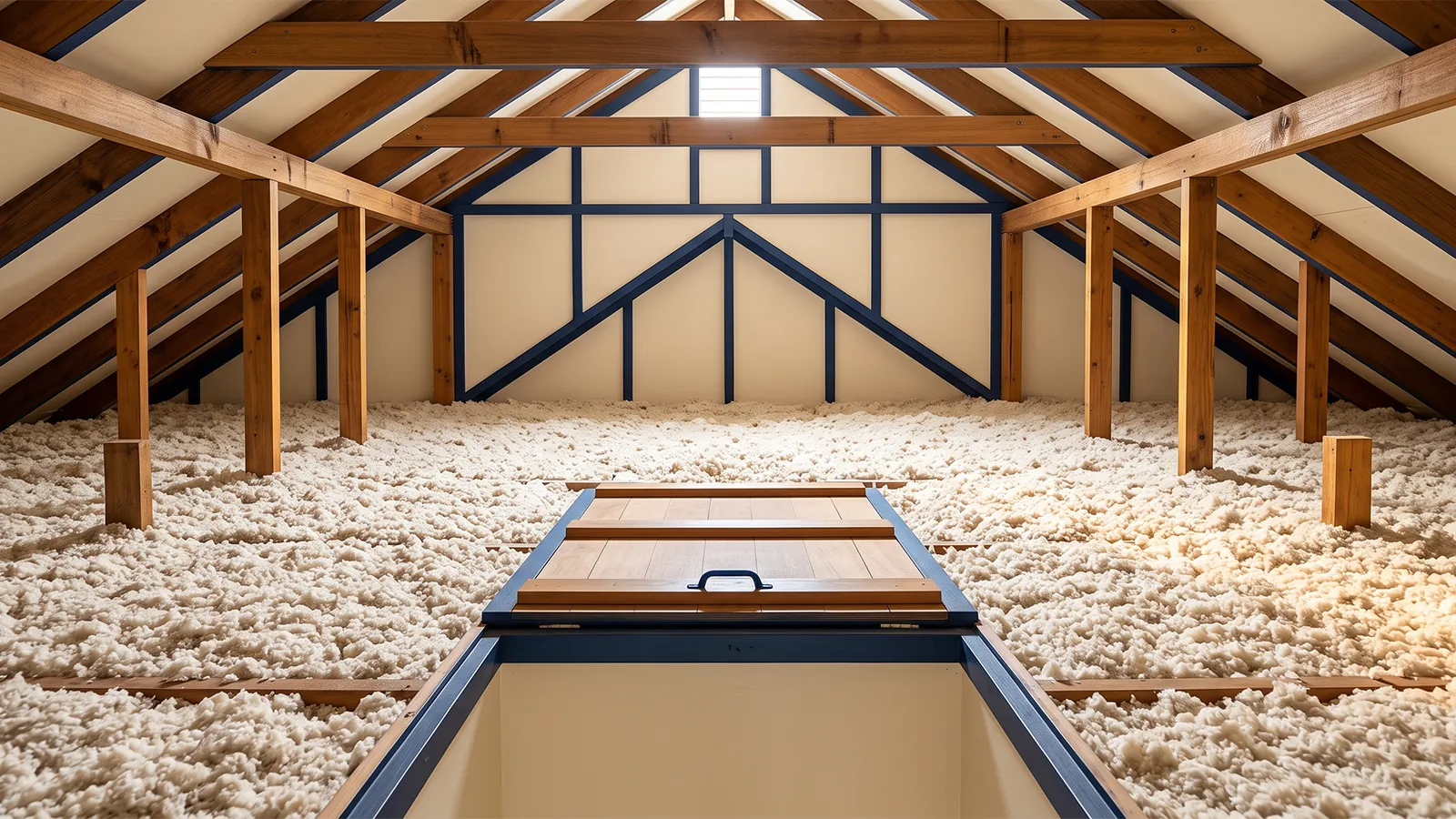
Clean attic with evenly distributed loose-fill insulation and a visible access hatch.

Give Your Attic a Clear Starting Point

A Dedicated Insulation Crew

If you're hearing about attic insulation for the first time, you may be wondering what your home actually needs. Our dedicated insulation crew handles attic insulation and top-off work as part of the Wentzel's family business. Tell us what the inspection found or what change you've noticed in the house. The conversation starts with your concern and the condition of the attic, before deciding how much additional coverage belongs in the job.

A Sarasota Family Connection

Our family's roots in Sarasota air conditioning go back to 1959. Insulation brings another part of your home's comfort into that same local business. You can ask a question in your own words, even if you don't know the material already in the attic. If you're also having trouble with the AC, mention that so you can understand which recommendation addresses the equipment and which addresses the insulation.

Understand Blown Insulation Before You Choose

Loose Material Placed Into the Space

Blown insulation uses loose material installed with equipment, while batt insulation comes in pieces fitted into the space. For your estimate, the important details are which product would be used, where it would go, and how much coverage is specified. Ask for those details to be explained together. That helps you understand what is being added and why the recommendation suits the attic or other area under consideration.

For a broad introduction, ENERGY STAR's insulation category guidance explains the terminology used in insulation discussions. Use it to get comfortable with the material categories, then ask about the specific recommendation for your property. A product comparison becomes more useful once it is tied to an actual area and installation plan.

Fiberglass and Cellulose Questions

Fiberglass and cellulose are material categories associated with loose-fill insulation, and the proposed product needs to be identified by name. Ask which material is available for your project, why it has been recommended, and what installed specification the estimate includes. Keep the answer with your proposal so a later conversation about the job refers to the same product and the same area.

If estimates name different materials, avoid comparing the totals without first comparing the work. Ask about the installation area, the condition of existing insulation, and the preparation included in each scope. Those differences can explain a price difference more clearly than a general debate over material categories. The recommendation should be specific enough for you to understand the reason behind it.

Decide What Can Stay in Place

Existing Coverage

A top-off means looking at the insulation already there before deciding what to add. An inspection may mention low spots, disturbed material, or uneven coverage. Share that report if you have it, or simply explain what brought the question up. You can make the first call without entering the attic. Photos taken from a safe location can provide background, while a recommendation still needs to account for the condition of the space.

Ask whether the proposed job is intended to add coverage across the whole attic or address particular areas. An estimate should explain the extent of the work and the basis for the installation specification. Keep the description concrete enough that you can identify the project area later, especially if there are several attic sections or the home has additions from different years.

Condition Before Additional Material

Water intrusion, debris, and signs of animal activity need to be raised before planning another layer of insulation. Ask which existing conditions must be resolved and whether any material needs removal. Our insulation removal guide helps you organize that conversation. Preparation and replacement should appear as separate parts of the proposal wherever both are involved.

A report that recommends insulation does not automatically answer every question about the space. Ask whether roof work, duct work, electrical repairs, or other preparation is required first, and identify who is responsible. A written sequence helps you arrange the work and reduces the chance of approving an insulation job before the building is ready for it.

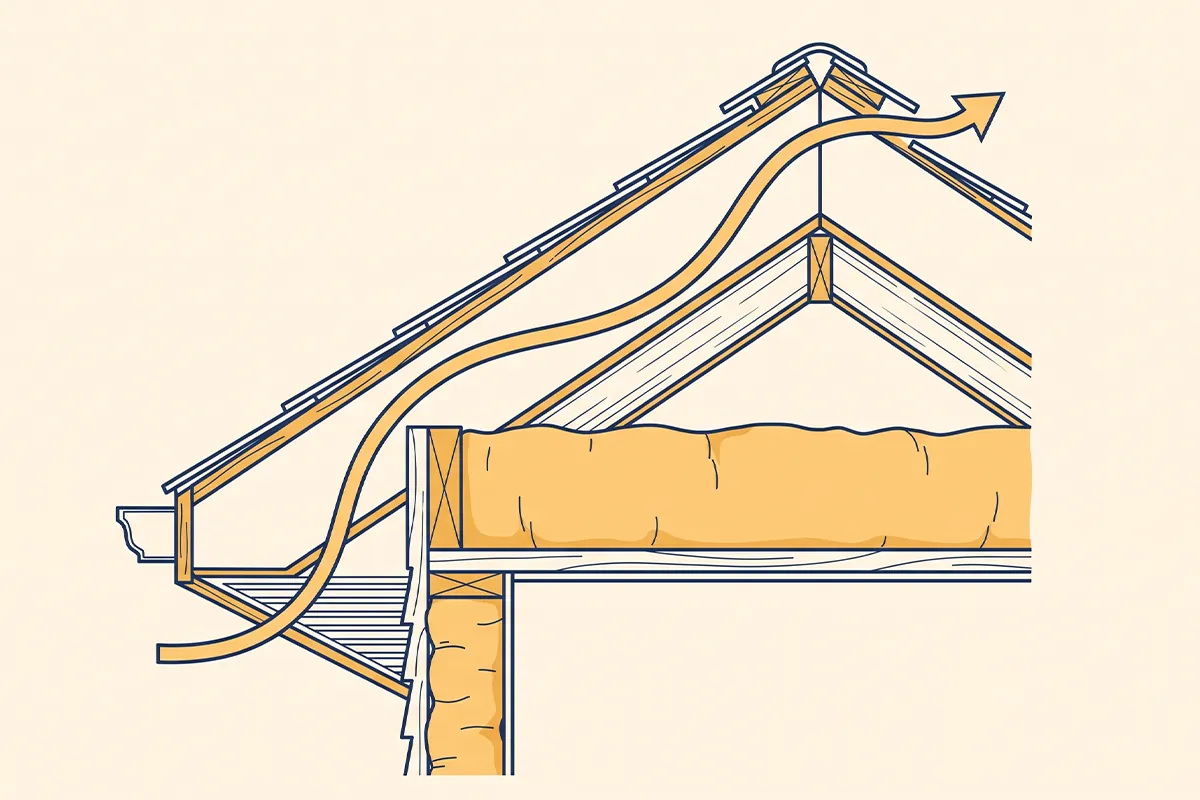
Roof-edge cutaway showing insulation and a clear ventilation path.

Keep the Whole Attic in View

Coverage and the Specification

With blown insulation in Sarasota, the entire intended area deserves attention, including the perimeter and the attic access. ENERGY STAR describes uneven distribution as a concern even where the middle of an attic has substantial coverage. Ask how the estimate accounts for low spots and edges, with the installation specification explained for the selected material. A coverage plan tied to the attic's actual layout gives you a more useful reference for reviewing the work than looking at one thick area in isolation.

R-value describes resistance to heat flow, but a number on its own doesn't explain your job. Ask what the proposed value means for the selected material and the area being insulated. The estimate should also make any excluded areas clear. An explanation tied to your attic helps you understand what the price covers and what the completed coverage is intended to meet, with the product and preparation described alongside it.

Access and Ventilation

Tell us where the attic is accessed and whether equipment or storage affects the route to the work area. Ask what should be moved and how the area will be made available for the crew. A planning conversation should also address the attic's ventilation arrangement, with the insulation work coordinated around the existing building details and the requirements of the proposed assembly.

ENERGY STAR's rafter vent guidance illustrates why the edge of an attic deserves attention during insulation planning. Use it as background for a question about your roof and soffit arrangement. The project-specific answer should explain which preparation belongs in the estimate and how the relevant areas will be handled.

What It Costs

Area, Material, and Preparation

Adding coverage over suitable existing material and replacing affected insulation are different jobs. The cost depends on the area, product, access, and preparation your attic needs. Ask for an estimate that explains those parts of the work together. If removal or a repair comes first, it should be easy to identify. That gives you a price to consider against the work for your home, rather than an average from someone else's property.

Share the information you already have about the home and the work being considered. If you are coordinating several improvements, explain which jobs come first and who is organizing the schedule. That context makes it easier to discuss the estimate in the sequence of the overall project and identify items that need another assessment before a final scope is agreed.

Compare the Same Installation

Put the material, installation area, preparation, and cleanup beside the total on every estimate you receive. Ask about any line that is unclear, particularly exclusions and work described only as optional. A good comparison lets you understand what each contractor has priced. You can then decide whether a revised scope is needed before approving one of the proposals.

For a phased project, ask what can be completed independently and what needs to happen together. Keep the proposed stages in writing, including any work that must precede the insulation. This helps you organize a budget without making assumptions about which parts can be postponed. Your priority may be a particular attic section, but the recommendation still needs to consider how the space fits into the home.

Know What the Finished Job Includes

Review the Work Area

Before approving the job, ask how the completed insulation will be reviewed and what information you will receive. You should know the installation area and the specification the work is intended to meet. If photos or other records are part of the proposed handoff, ask for that to be described in the scope. Keep the proposal available for the completion conversation.

Keep Your Project Records Together

Save the estimate, product information, invoice, and any completion records in the same place. They are useful if you need to discuss the work later or explain it to a property manager. If you have a question after installation, identify the area and refer to the written scope so the person answering has a clear starting point. A short description and the project address help connect the question to the job.

Blown Insulation in Sarasota Questions

Is Blown Insulation Used for Attic Top-Offs?

It is one of the approaches to discuss for added attic coverage. The condition of existing material and the proposed specification need to be assessed before deciding the scope. Tell us what your inspection or current concern has identified.

Should Old Material Always Be Removed?

Removal depends on condition and the plan for the space. Ask which material can remain, what needs attention first, and whether removal is included in the proposed job. Keep that decision separate from the amount of new insulation.

Can You Compare Blown and Batt Insulation?

Yes, start with the area being insulated and the access available. Our batt insulation guide covers the questions relevant to fitted pieces of insulation, while this page focuses on loose-fill work and top-off planning.

Bring Us Your Attic Project

Request an Estimate

Tell us what prompted your attic question and share any report you already have. We can discuss the next step for blown insulation in Sarasota or Bradenton, starting with your address, the coverage concern, and what you want to understand before deciding.

Call About a Top-Off

Prefer to talk it through? Call (941) 925-2430 and ask about attic insulation. Let us know about any inspection or renovation behind the question. Our insulation overview introduces other project types, and the rebate planning guide helps you prepare questions for official program administrators.