After hours? We take emergency calls. Most repairs handled the same day.
Wentzel's Heating and Air Conditioning

Batt Insulation in Sarasota and Bradenton

Looking into batt insulation in Sarasota for a renovation? Bring your questions to Wentzel's. We'll start with the space, your plans, and the details you need to understand before deciding.

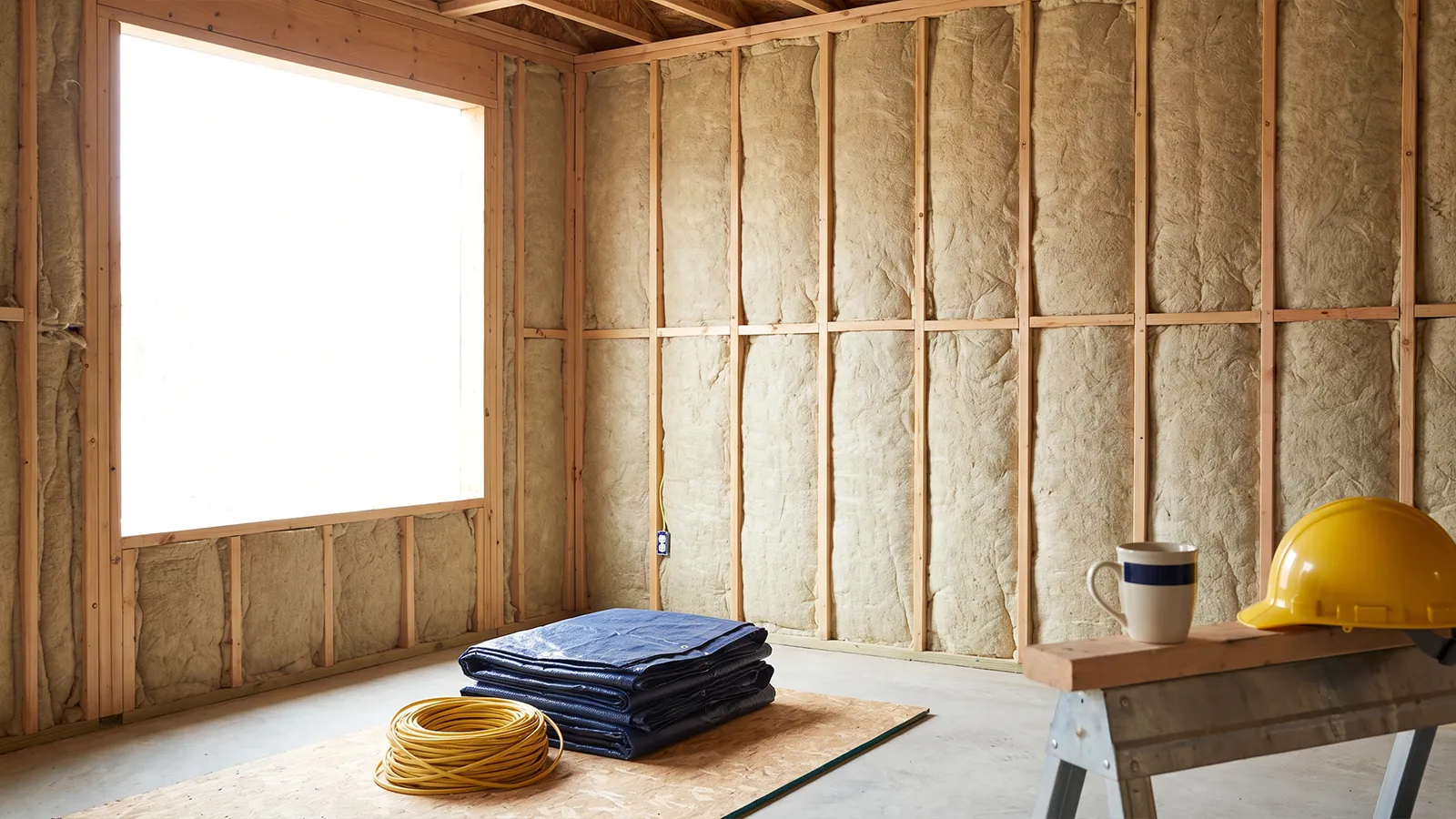
Open wall framing with neatly fitted batt insulation during a generic renovation.

Keep Your Project With a Local Name

Part of the Wentzel's Family

Insulation belongs to the same local family business as our heating and air conditioning services, with roots in Sarasota's AC trade since 1959. If a renovation has brought insulation into the conversation, you can begin with the plans and questions you already have. The office can discuss the work being considered and the next step for that service. You don't need to settle every installation detail before reaching out.

Share the Plans You Have

Open walls or ceilings make the project easier to describe, especially if you have drawings or photographs. Tell us which rooms are involved and whether a builder is coordinating the work. Include the timing and the person who will approve the estimate. These practical details help connect the insulation discussion with the rest of the renovation, so the proposed job relates to the areas that will actually be available.

Understand the Fit Before the Finish

What Batt Insulation Is

Batt insulation comes in pieces fitted into the spaces between framing. The product and its fit both matter: pipes, wiring, and the shape of a cavity can affect how the insulation belongs there. Your estimate should name the material and the installation area, with preparation explained for that space. Ask how the recommendation fits your plans so the product description becomes something you can understand in the context of your building.

ENERGY STAR's insulation selection overview introduces the main categories and their uses. Treat the overview as background rather than a complete recommendation for your building. A wall renovation, an attic project, and an accessible floor assembly can have different requirements, so the final discussion needs to identify your actual application.

Product and Facing Choices

Ask whether the proposed product is faced or unfaced and why that choice fits the building assembly. The answer needs to account for the installation location and the relevant product instructions. Keep the material specification with your estimate, especially if your project involves another contractor who needs to review the assembly before it is enclosed or finished.

A warm, humid climate is a reason to discuss moisture management carefully, rather than choosing a facing from a broad rule. Ask how the proposed material fits with the other layers of the wall, roof, or floor. Your project team should resolve any design question that affects that assembly before installation is scheduled. The written scope should make the chosen product and its location clear.

Plan the Areas You Can Access

Open Walls and Renovations

An open wall gives your project team a chance to discuss insulation before the finishes go back. Tell us which rooms are involved, the condition of the cavities, and what other trades need to complete their work first. Ask where the insulation stage sits in the schedule and what needs to be ready for access, review, or inspection before the walls are closed.

Include the drawings or the written scope from your builder if available. If the renovation changes during planning, keep the insulation conversation updated so the estimate describes the right areas. A proposal covering one room can become unclear if the work expands to another floor or addition without an updated description. The material and installation specification should follow the actual agreed project.

Ceilings, Floors, and Attic Spaces

For other accessible areas, identify the assembly and the purpose of the insulation work. Ask whether fitted insulation is suitable for that location and what preparation it requires. The available access affects how the work can be approached, so photographs, plans, and information about the existing space are helpful. You can request a discussion before the full scope has been decided.

If the question concerns added insulation in an existing attic, compare the relevant options. Our blown insulation guide focuses on loose-fill and top-off planning. The right conversation starts with the existing material and the space, rather than assuming the same approach fits every attic. Ask why the recommendation is appropriate for your project and what other options were considered.

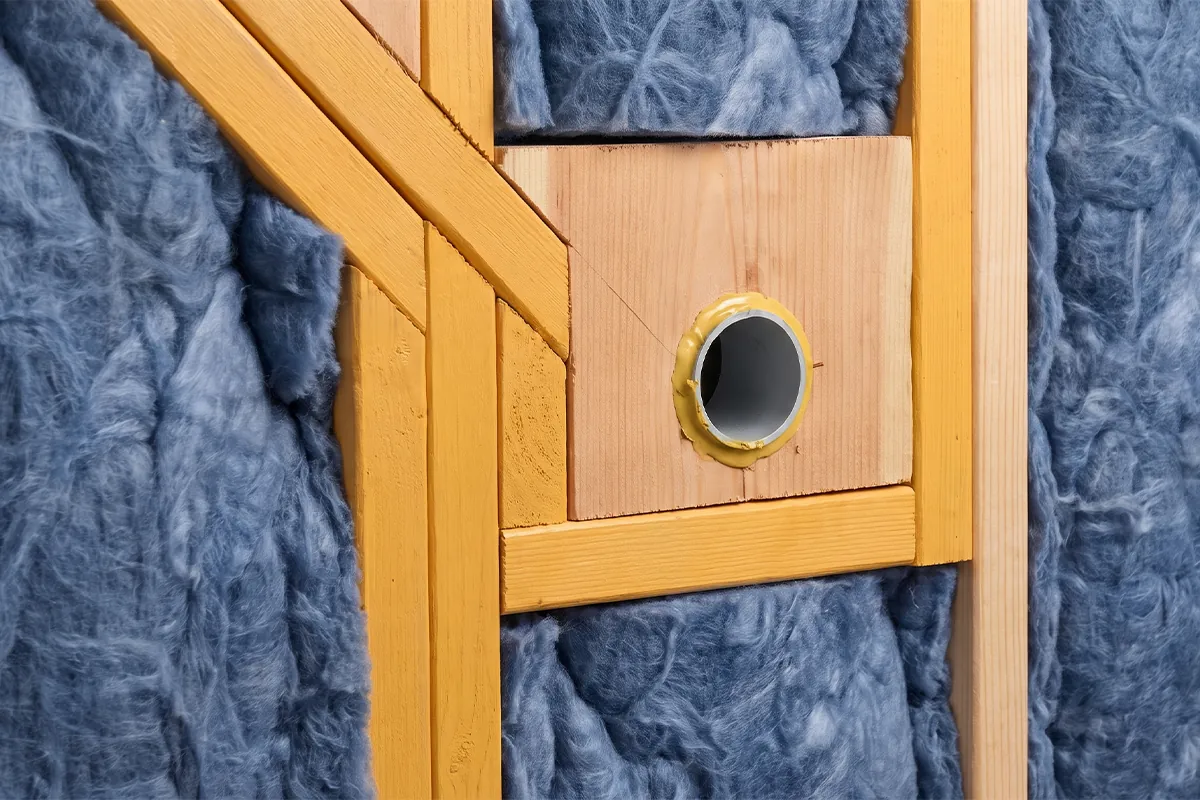
Detail illustration of batt insulation fitted around irregular framing and a wall penetration.

Ask How the Pieces Will Fit

Irregular Cavities and Obstructions

Batt insulation in Sarasota needs a fit discussion for the actual framing. ENERGY STAR includes batts and rolls among the options for unfinished walls, floors, and ceilings. Ask how each piece will fit around the details in your project and how the specified material is supported in the assembly. A cavity with pipes or a different framing width deserves an explanation in the scope. Comparing the product and the installation detail together helps you understand what is being proposed for each area.

Pipes, wiring, and framing can change the fit of insulation within a wall or ceiling. Ask how the proposed work accounts for those details and which parts of the area are included. If another trade needs to finish something first, keep that responsibility clear. The estimate should explain the installation for your particular space, giving you more to review than the name of the material alone.

Use the estimate conversation to locate the tricky areas. You might have an older addition, a room with unusual framing, or several assemblies that need different treatment. The proposal should distinguish those areas wherever the scope differs. That gives you a practical reference for reviewing the work and helps the project team coordinate the insulation with the surrounding construction.

Air Sealing and Ventilation Questions

Insulation and air sealing should be discussed as distinct items in the scope. Ask whether preparation around openings is included and how it relates to the insulation installation. For an attic project, keep the ventilation arrangement in view as well. These questions help identify the surrounding work that belongs in the project and the person responsible for completing each part.

The ENERGY STAR attic air sealing guide provides background for that discussion. Use it to understand why openings and penetrations deserve attention, then ask how the relevant details apply to your space. A general guide is a starting point for questions, while your building's plan needs its own assessment and specification.

Compare the Job You Will Receive

Material and Installation Area

Before comparing the totals on two estimates, compare the installation areas and the specified products. Ask what preparation, access, and completion work each proposal includes. If the material specification differs, request an explanation of the reason and the intended application. The comparison is easier once both proposals describe the work clearly enough for you to identify the same building areas.

Keep questions about other insulation methods connected to your project. Spray foam has its own product and application considerations, while loose-fill work involves a different installation approach. The useful comparison is between suitable scopes for the same purpose. Ask your estimator to explain the recommendation against your plans and the condition of the actual space.

Timing With Other Trades

Explain who is coordinating the renovation and which contractors need access before and after insulation. Ask what conditions must be ready for the crew and how the completion stage fits into the rest of the schedule. If the job needs an inspection or design approval, keep that step visible. Clear timing helps you arrange the project without making assumptions about who will return to close or finish an area.

What It Costs

Price the Areas and the Preparation

The price depends on the product, the areas included, access, and preparation. Fitting insulation into open cavities is a different job from working around an enclosed or partly accessible space. Share your actual plans and ask for the estimate to describe the work for those areas. If another contractor needs to complete preparation first, that should be clear too, so you can understand the insulation price alongside the rest of the renovation.

Keep Changes in Writing

If the plans change, ask for the scope to be updated before additional work is approved. Identify the added areas, the revised specification, and any schedule effect. Keep the original and revised proposals together so everyone can see what was agreed. This is especially useful in a renovation where decisions about walls, ceilings, or access evolve as the project progresses.

Batt Insulation in Sarasota Questions

Can Batt Insulation Be Added During a Renovation?

Discuss the areas that will be accessible and the stage of the work. Bring your plans and the builder's schedule so the insulation scope can be reviewed against the project. Confirm the proposed product and any preparation before installation.

Does Facing Matter?

Yes, the product and the assembly need to work together. Ask why the proposed faced or unfaced material suits the location, with the answer based on the specific product and the building plan.

How Should I Compare Batt and Blown Insulation?

Start with the installation area, access, and existing conditions. Ask which suitable approach fits the space and what each proposed job includes. Compare the complete scope rather than choosing only by the material category.

Bring Your Insulation Plans to Wentzel's

Discuss the Project

Tell us which rooms or building areas you want to insulate and what stage the renovation has reached. We can discuss the next step for batt insulation in Sarasota or Bradenton, starting with your address, plans, and questions about the proposed work.

Call the Office

Call (941) 925-2430 and ask about insulation. If a builder or property manager is helping arrange the job, have their details ready so the conversation includes the people involved. Our insulation overview introduces the other options if you're still comparing materials for the space.